

Most people assume bullying is something you get over once you leave school. You move on, make new friends, and start fresh. But for many adults, the long-term effects of bullying never really disappear. They quietly reshape how you think, feel, and move through the world.
The signs of childhood bullying in adults rarely look like someone still thinking about secondary school. More often, they show up as anxiety that seems to come from nowhere, relationships that keep breaking down in the same way, or a nagging sense that you are somehow less than other people, without quite knowing why.
This article is about recognition, not blame. Understanding where a pattern started is often the first step to changing it.
Why the Long-Term Effects of Bullying Do Not Disappear When School Does
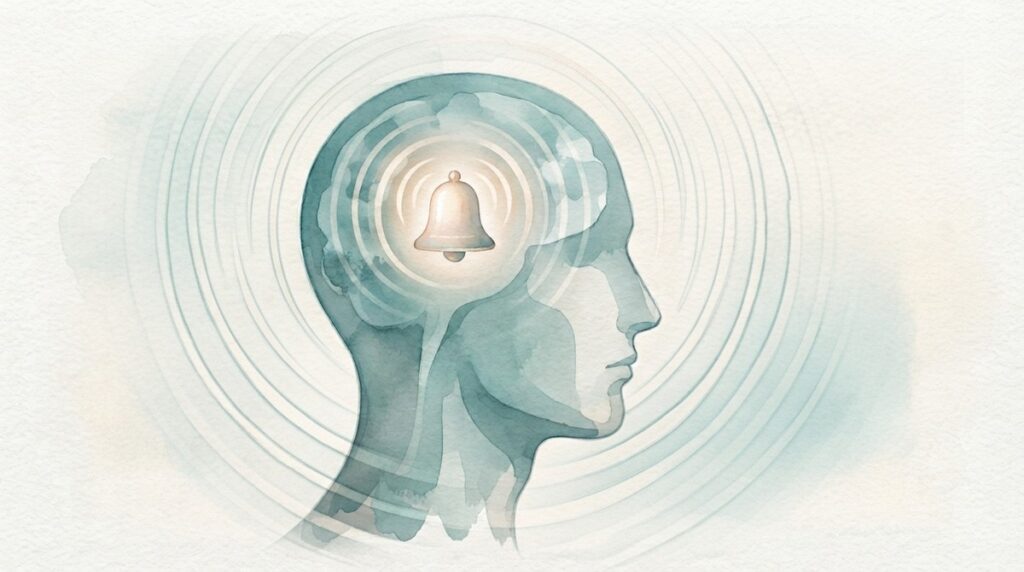
Your brain did not file childhood bullying away neatly. It treated it as a survival lesson and locked it in.
Think of the mind as a recording system. It stores painful childhood experiences and uses them as reference points for how the world works. When a colleague gives critical feedback, your chest tightens. When someone cancels plans, you wonder what you did wrong. These are not overreactions. Your brain learned them because they once genuinely protected you.
Bullying teaches the brain a blunt lesson: other people are dangerous, and you are the problem. That belief rarely fades on its own. Instead, it goes underground, quietly shaping how you read situations, relationships, and your own worth.
Psychologists call these core beliefs ‘deep, often unconscious assumptions formed in childhood’, while the brain was still building its picture of who you are. Beliefs formed this early are particularly stubborn and particularly painful to live inside.
The encouraging part is that learned responses can be unlearned. Recognising where the pattern started is the first step.
Effects of Bullying on Anxiety, Shame and Hypervigilance in Adults
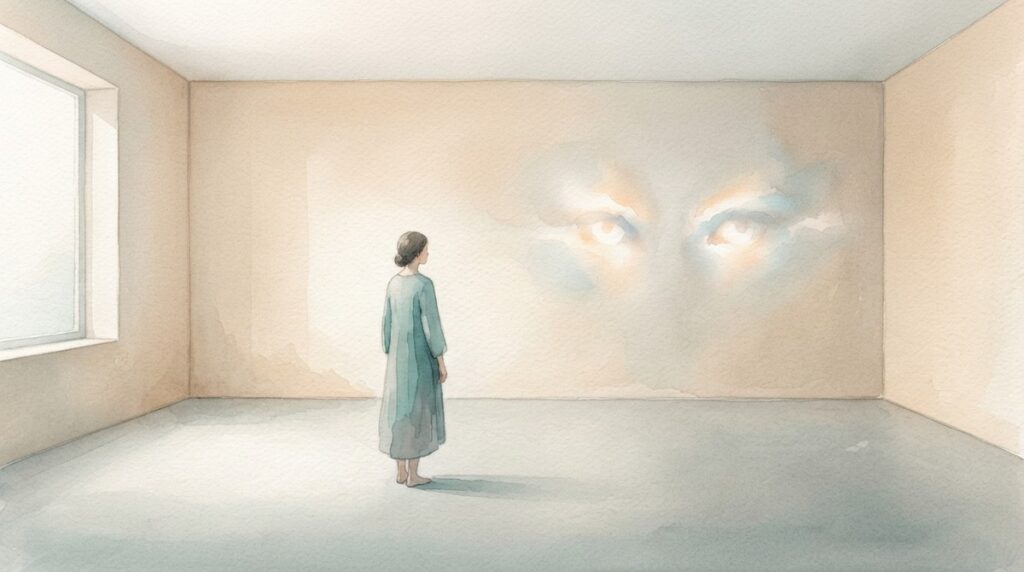
When bullying happens repeatedly in childhood, it triggers the brain’s alarm system, the amygdala, again and again. Eventually, it stops waiting for danger to arrive and starts looking for it everywhere.
This is where anxiety comes from for many adults who were bullied as children, not weakness or overthinking. “Research that followed children into adulthood has found that being bullied in childhood is linked to higher rates of anxiety and depression later in life.” Their nervous system learned to stay one step ahead of a threat that no longer exists.
The long-term effects of bullying on anxiety often last because the brain keeps doing the job it learned to do. It just cannot tell that the circumstances have changed. So children who experienced bullying may have a greater risk of developing anxiety disorders and suicidal thoughts in adulthood.
Shame works in a similar way. Bullying often targets identity: how you look, how you speak, and what you like. When that happens repeatedly in childhood, the brain begins to connect being visible with being in danger. Standing out feels like an invitation for pain.
That connection follows you into classrooms, workplaces, and relationships. You might find yourself shrinking in meetings, over-apologising, or feeling unexplained dread before social situations that most people would find ordinary.
Then there is hypervigilance: constant scanning for signs of rejection or humiliation even when the room is safe. It can look like reading too much into someone’s tone or bracing for conversations you have not even had yet. None of these responses are character flaws. They were useful once, helping you survive a situation you had little control over.
The brain does not automatically update its threat file just because your circumstances have changed. That update has to be deliberate, and it starts with recognising what is happening.
How the Long-Term Effects of Bullying Damage Your Sense of Identity and Self-Esteem

Some of the deepest consequences of bullying happen in a place most people never think to look: your sense of identity.
You are not born with a fully formed identity. You build it slowly, shaped by the feedback and reactions you get from people around you. When cruelty becomes the main message you receive as a child, your brain does not file it under other people’s bullying behaviour. It files it under facts about you. It is simply how developing minds work, not a flaw in your thinking.
Children are still learning to separate what happens to them from what they are. A bully’s words fill that gap, and not with the truth. This is why many adults who were bullied as children struggle to answer simple questions about themselves. What do they value? What do they want? Are their opinions worth sharing? This is not ordinary self-doubt. Bullying damaged the foundation before it was ever finished.
Bullying in childhood is strongly linked to low self-esteem and identity struggles that stretch well into adulthood. Low self-worth in particular tends to feel less like a memory and more like a fact. It can become a quiet, persistent conviction that you are somehow less than other people. Kindness, when it comes, can feel temporary or like a mistake.
Recognising that someone else’s cruelty shaped your self-image is one of the most useful shifts you can make. Once you see it clearly, you stop blaming yourself for it, and that is where rebuilding begins.
How Childhood Bullying Affects Adult Relationships
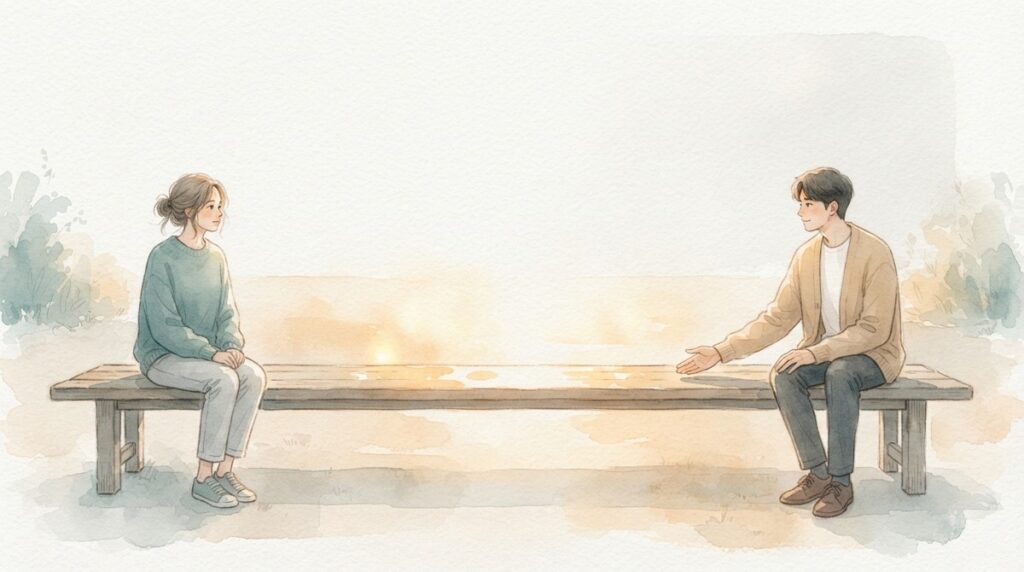
When people hurt you, year after year, in places you could not avoid, your brain learns a simple lesson: people are dangerous. That lesson does not erase itself when you graduate.
In adulthood, the long-term effects of bullying can show up as difficulty trusting others. You may find it hard to rely on people or open up to them, even when they have given you no reason to doubt them. Emotional intimacy, the closeness you feel when you let someone truly know you, can start to feel less like warmth and more like risk. So you pull back, often without fully understanding why.
Bullying survivors tend to fall into two common but opposite patterns. Some are drawn to controlling relationships because even painful control feels familiar. Others become overly passive, going along with things to avoid conflict, just as they once had to. Neither pattern is a personal failure. Both are survival strategies that worked in one context and then followed you into every other.
There are subtler signs too:
- Assuming that when someone is kind, there must be a catch
- Reacting strongly to small criticisms, because your brain is comparing the moment to an old wound
- Pulling away from people just when things start feeling close, because leaving first has always felt safer than waiting to be left
Recognising these patterns is often the first step to changing them. You cannot rewrite an instruction manual you do not know you are following.
How Bullying Affects Physical Health
The long-term impact of bullying is not only psychological. Your body carries the weight of what happened too.
Bullying that continues for months or years puts the body under sustained stress. Over time, that stress does not stay in your head. Your body stores it too. Persistent headaches, digestive problems, and constant fatigue that no amount of sleep fixes are all physical signs. They show a nervous system still running in high alert.
These are not imaginary symptoms. They are real responses from a body that learned to brace for danger and never quite got the signal that it was safe to stop.
Your nervous system rewires itself during prolonged stress. When it has been under pressure in childhood, it can remain in a heightened state long into adulthood. It overreacts to situations that most people would move through without a second thought. Bullying can even affect posture. Rounded shoulders and a tense, closed-in posture often reflect a self-image built over years of being made to feel small.
None of this means you are broken. Your body did exactly what it evolved to do: it adapted to protect you. And the same nervous system that changed under stress can also heal with the right support.
Practical Steps for Healing From the Effects of Bullying

Healing from the long-term consequences of bullying is more active than most people expect. It is not something that happens while you wait. It is something you build, one small step at a time.
Start with how you talk to yourself
Bullying often leaves behind a harsh inner voice that continues the work the bully started. Self-compassion, treating yourself with the same basic kindness you would offer a friend, is a good place to begin. Mindfulness can help too. It creates a small gap between shame-based thoughts and your reaction to them.
Consider therapy
If the effects run deep, mental health professional support is worth pursuing.
- CBT helps identify and shift unhelpful thinking patterns.
- Trauma-informed therapy works with the nervous system rather than just the conscious mind.
- Brain Working Recursive Therapy (BWRT) is a short-term, brain-based therapy that targets the automatic reactions left behind by childhood bullying. It helps your brain create a calmer response to the memory and let go of the past. BWRT sessions are available online and in person at Mind Toolbox.
If it is affecting your life, that is reason enough.
Build connections deliberately
Chronic isolation is one of the lasting effects of being bullied. Getting involved in a community, even in small ways, helps push back against it. A class, a club, a volunteer role: anything that puts you around people with a shared interest can help rebuild your sense of belonging.
Learn to regulate your nervous system
Breathing techniques, grounding exercises, and learning to recognise your triggers help your nervous system reset over time. These are not quick fixes. They work through repetition, gradually, and with practice, the same way building physical strength does.
Name what happened
Many people who experienced bullying never say the words ‘I was bullied’. They downplay it, qualify it, or decide their experience was not bad enough to count. Naming it matters. It is how you stop treating someone else’s cruelty as evidence of your worth.
These Are Patterns, Not Personality
The patterns in this article are not weaknesses in your character or proof that something is wrong with you. Your brain and body learned to do exactly this: protect you from pain that felt endless when you were young.
Chronic anxiety, constant shame, difficulty trusting people, a body that will not fully rest: these are the recognisable effects of bullying that started early and went on long enough to leave a mark. Recognising them in yourself is not a diagnosis. But it is powerful. It is the moment you stop blaming yourself and start understanding yourself instead.
What happened during those years shaped how you think, feel, and respond today. That is not a life sentence. The brain can learn new patterns. Healing does not erase the past. It teaches your nervous system that the danger has passed. The long-term effects of bullying in adulthood are real, but they are not permanent.
You survived it then. You can work through it now.
If you are struggling, you can call or text 1737 for free, any time.