
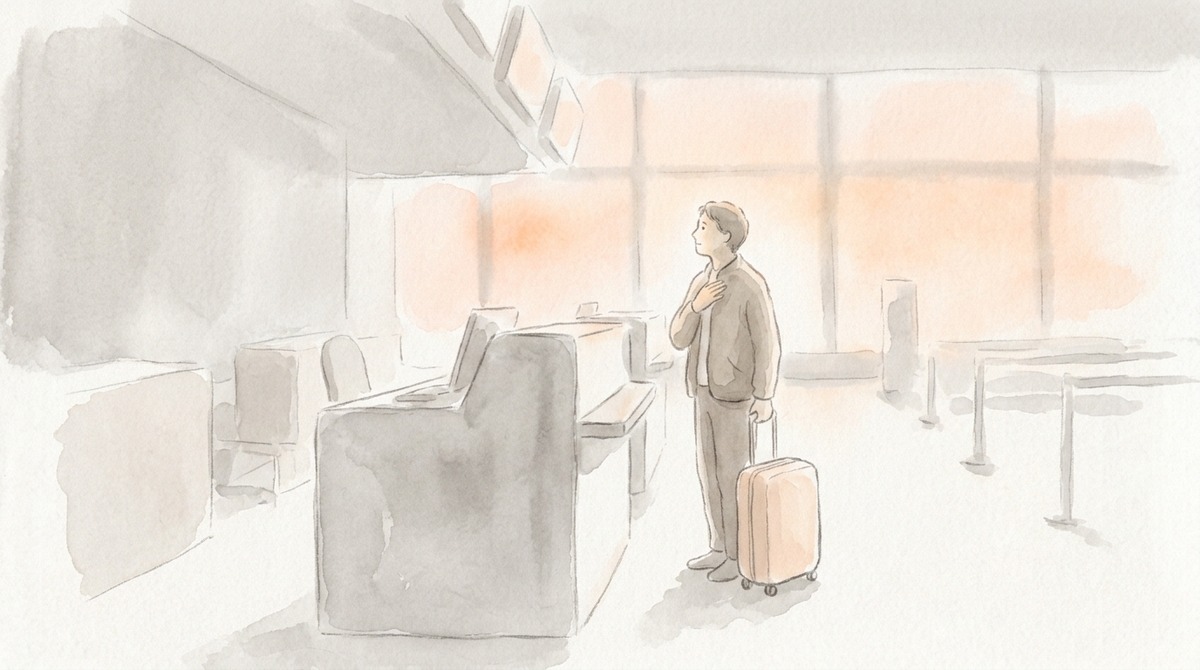
You stand at the check-in desk, knowing flying is safe, and your hands are already cold. Irrational fears like this are not a sign of weakness or a lack of logic. They follow the rules of a different part of your brain.
Your amygdala, the brain’s alarm system, learned to link one thing with danger. Now it reacts before your thinking mind can catch up. This article explains what happens in the brain during a phobia and why “just be sensible” never works. It ends with a small exercise you can try. You can read more about the amygdala on my Brain Basics page.
Why irrational fears feel so real
Most people have a few irrational fears that make little sense. They might be a spider on the wall, a lift, a needle or the dentist’s chair. For some people, the fear stays small. For others, it takes over.
If you live with a phobia, you may recognise this:
- You know the fear is out of proportion, and knowing changes nothing.
- Your body reacts first. Your heart races, your chest tightens, and your hands sweat.
- Telling yourself to “be sensible” only makes you feel worse.
- You plan your day around avoiding the thing.
- You feel embarrassed and wonder, “What is wrong with me?”
That last thought hurts the most. Nothing is wrong with you. Your brain is doing what it learned to do, and it does it fast. When shame piles on top of fear, it can also chip away at how you see yourself. If that sounds familiar, my post on the 8 Signs of Low Self-Worth You Are Missing may help.
A fear becomes a phobia when it stays strong and begins to limit your life.
What happens in the brain during a phobia
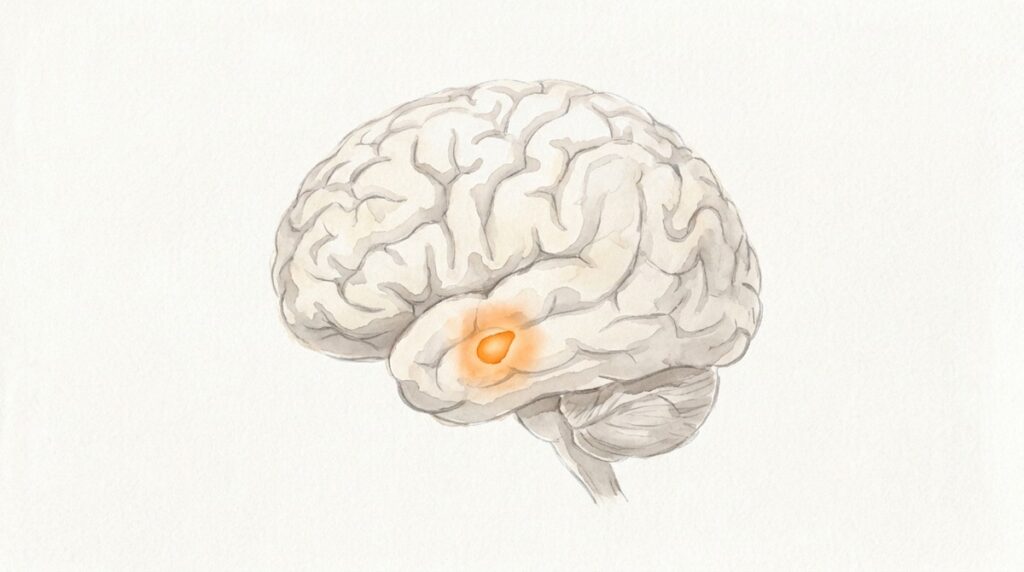
A phobia starts with learning. At some point, your brain linked one thing with danger. Scientists call this fear conditioning. The UK’s National Health Service (NHS) says a frightening event can start a phobia. For example, being chased by a dog may lead to a fear of dogs.
The link does not have to make sense later. Your brain keeps it anyway, as a quick rule: this thing means danger.
The next time the cue appears, your amygdala acts first. The amygdala is a small, almond-shaped part of the brain that scans for threat. It reacts in a fraction of a second, before you have time to think. Then it triggers your body’s stress response. Adrenaline and cortisol, two stress hormones, enter your bloodstream. Your heart speeds up and your breathing changes as your body gets ready to act. You can read more about this alarm system in my post on Why Your Brain Keeps Sounding the Alarm.
So irrational fears feel real because, to your body, they are real. The alarm is ringing loudly, and your thinking mind has not joined in yet.
Why knowing it is irrational does not help
Your prefrontal cortex, the part of the brain behind your forehead, handles reasoning and planning. It can also help calm the amygdala, as research on fear learning shows. But it works more slowly than the alarm.
That is why logic arrives late. By the time you think “flying is safe”, your body has already reacted.
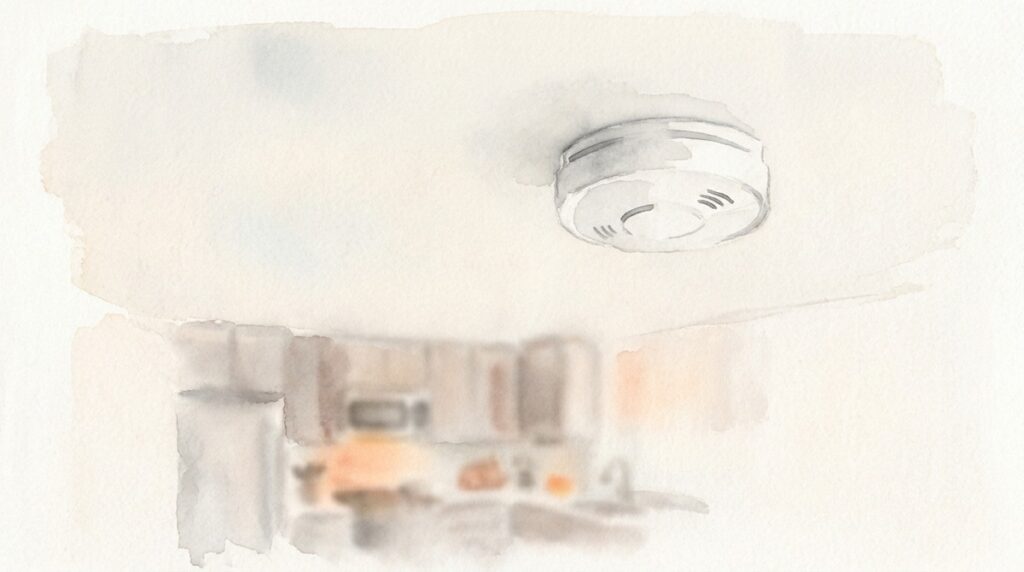
Think of a smoke alarm that goes off when you make toast. The alarm is not broken. It is simply too sensitive for that cue, and shouting at it does not help.
Avoiding the cue keeps the alarm sensitive. When you avoid it, the fear drops, and that relief feels like proof. Your brain learns that avoiding keeps you safe, so the pull to avoid gets stronger.
The good news is that irrational fears can change. Researchers describe reducing a learned fear as new learning, not as erasing the old memory. A review in the journal Learning & Memory explains how the prefrontal cortex and amygdala work together when a cue stops predicting danger. Your brain can learn a different response to the same cue.
Freeze the cloud: one small exercise
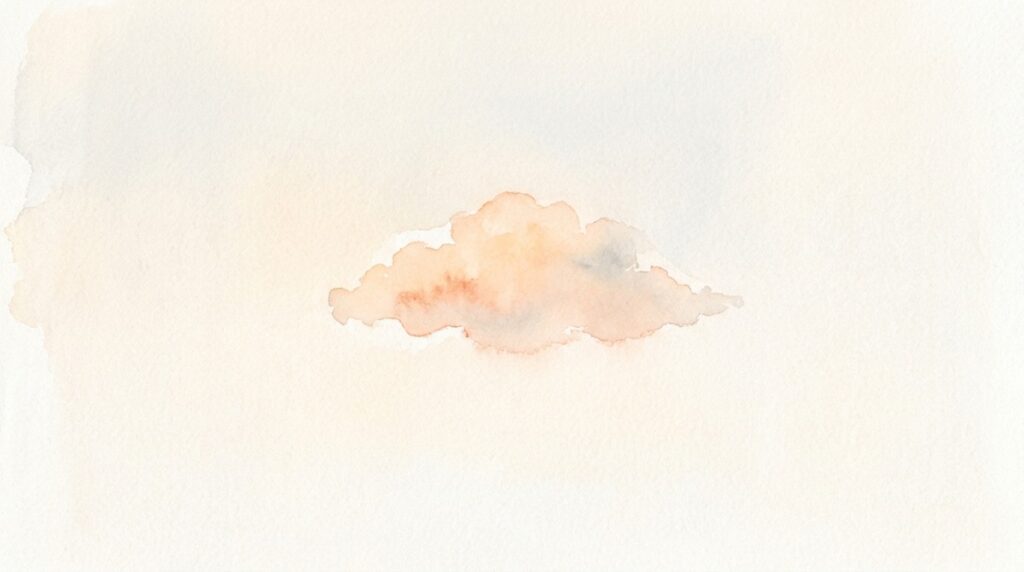
This exercise uses your imagination and your breath. Try it when you feel the alarm rising, or while you think about a mild fear. Start with something small.
- Imagine your fear as a cloud wrapping around you. Give the cloud a colour.
- Rate how intense the fear feels, from 1 to 10. A 10 is the highest.
- Take a deep breath and freeze the cloud while you hold your breath for a few seconds.
- When the cloud is frozen and solid, breathe out and step out of it. Leave it behind you.
- Think about how you want to feel instead. Imagine yourself feeling that way.
- Rate your fear again.
- Repeat the exercise a few times until you feel comfortable.
You are not trying to beat the fear or force yourself towards it. Each round gives your brain a chance to practise a different response. Hold your breath only for a few comfortable seconds, and breathe normally if you feel dizzy. If your fear is strong, do this with a therapist rather than testing yourself alone.
When irrational fears need professional help
Many fears fade or stay manageable. Others need support. Consider getting help if:
- The fear limits where you go, what you do, or the work you take
- You feel panic or dread the fear for days beforehand
- You have avoided something important, such as a medical or dental appointment
- The fear grows stronger despite your own efforts
Start with your GP. The NHS advises seeing a GP when phobia symptoms affect your life. It lists talking therapies, cognitive behavioural therapy and hypnotherapy as treatments. If the distress feels too big, call or text 1737 for free, day or night, anywhere in New Zealand.
I offer BWRT and hypnotherapy for phobias. BWRT is a brain-based therapy that aims to help your brain respond differently to a trigger.
What to read next
To understand the alarm system behind your reactions, start with Why Your Brain Keeps Sounding the Alarm.
If irrational fears are limiting your life, you do not have to manage them alone. Learn more on the Phobias and Fears page or book a free initial consultation.